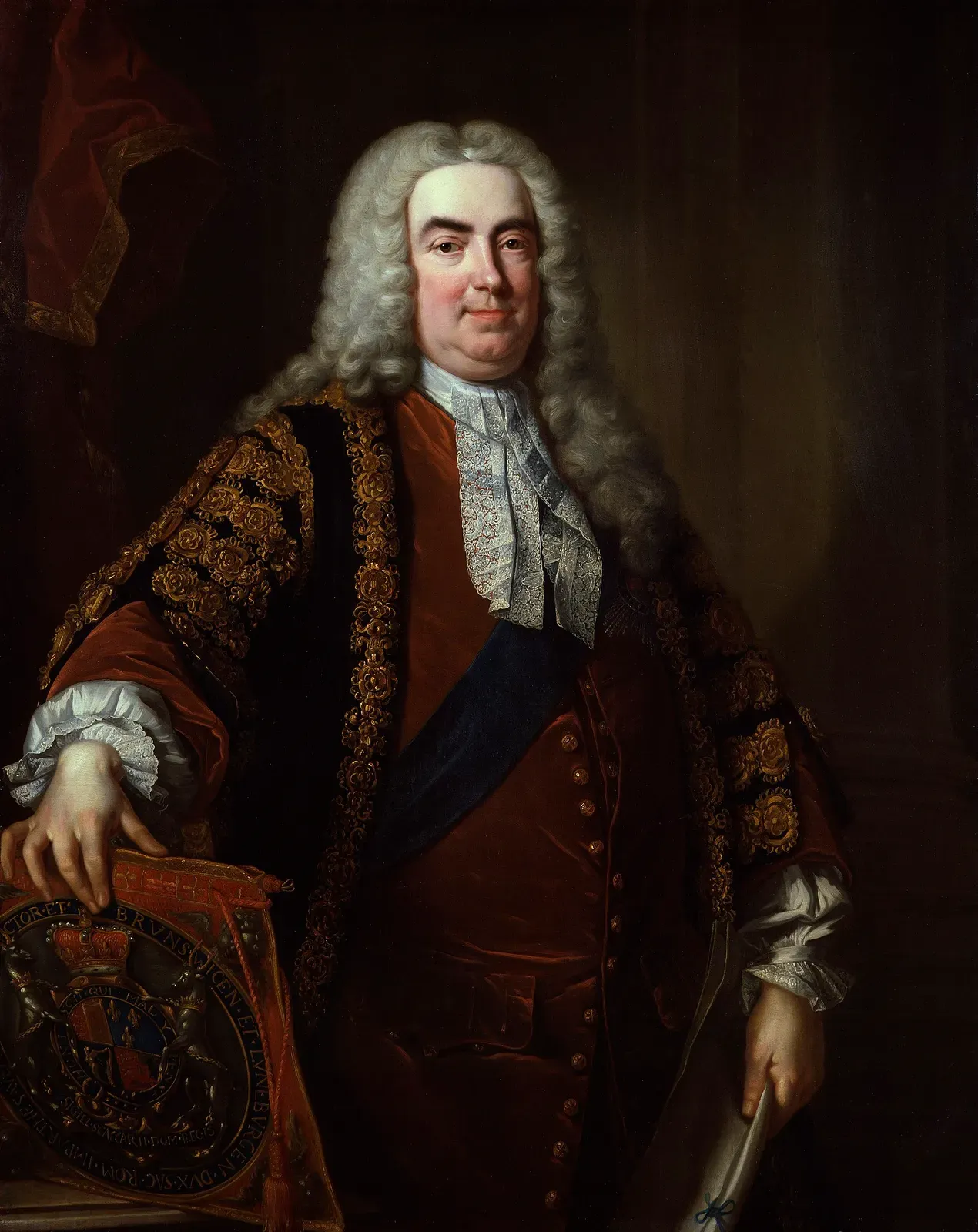
The Man Who Wouldn't Take the Title
On 3 April 1721, Robert Walpole became Britain's first de facto Prime Minister. He denied the title throughout his twenty-one years in office. His successors scramble for it and last, on average, three.
Posts, updates, and occasional notes that sit alongside The Butterfly Effect.
On 3 April 1721, Robert Walpole became Britain's first de facto Prime Minister. He denied the title throughout his twenty-one years in office. His successors scramble for it and last, on average, three.
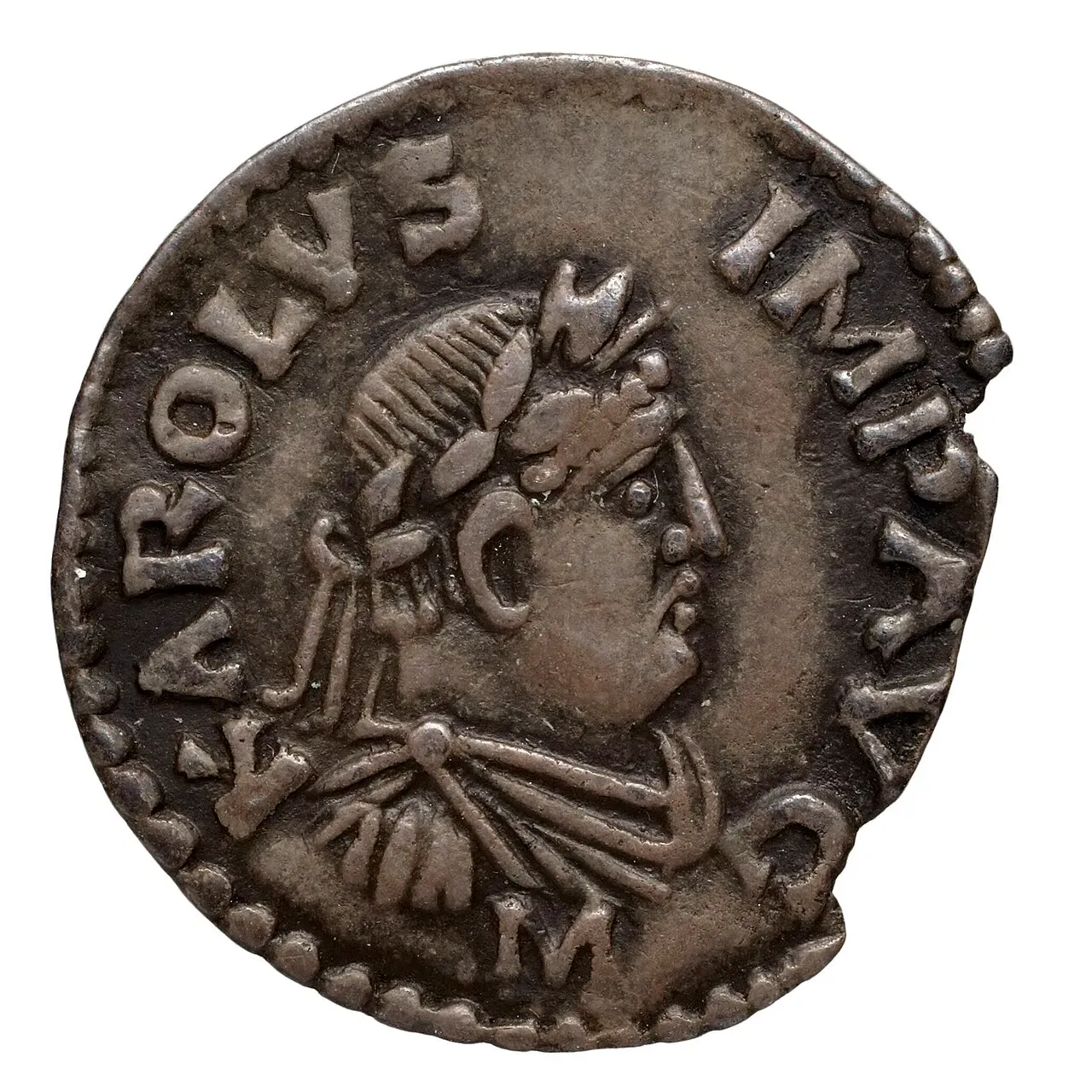
On 2nd April 747, Charlemagne was born. He would build an empire stretching from the Atlantic to the Elbe. His heirs would spend thirty years tearing it apart. The pieces became France and Germany.
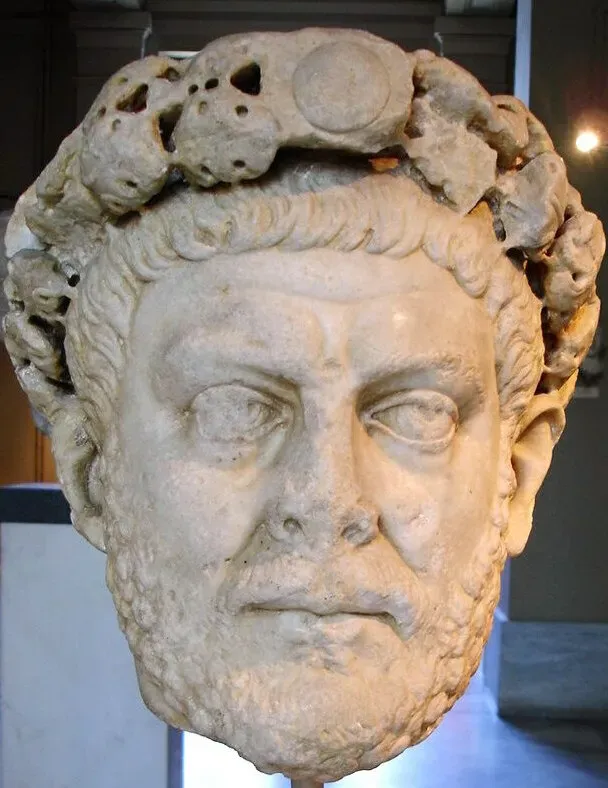
On 1st April 286, Diocletian appointed Maximian as co-Augustus, establishing Rome's first diarchy. The empire covered 5 million square kilometres. The logic was straightforward.
On 31 March 1854, Commodore Matthew Perry forced the Tokugawa Shogunate to sign the Convention of Kanagawa, ending 220 years of Japanese isolation. The treaty was designed to keep Japan dependent. Japan had other ideas.
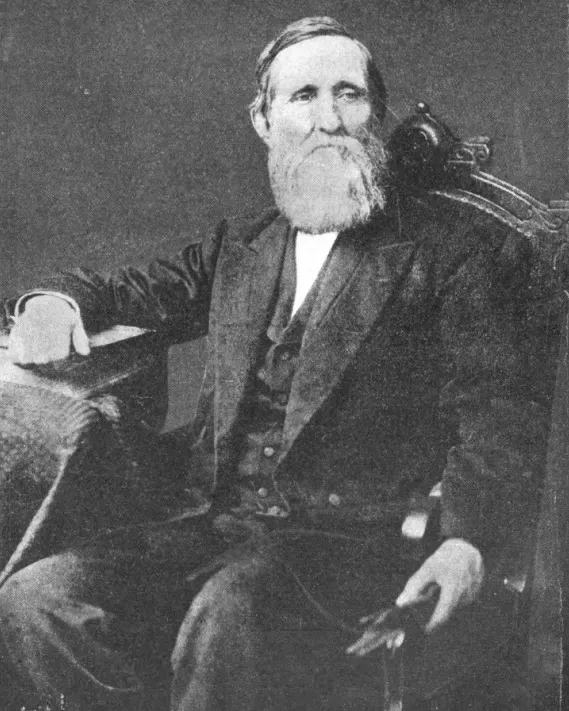
On 30 March 1842, a country doctor in Jefferson, Georgia, soaked a towel in sulphuric ether and held it under a young man's nose. James Venable felt nothing. Crawford Long had just changed surgery forever.
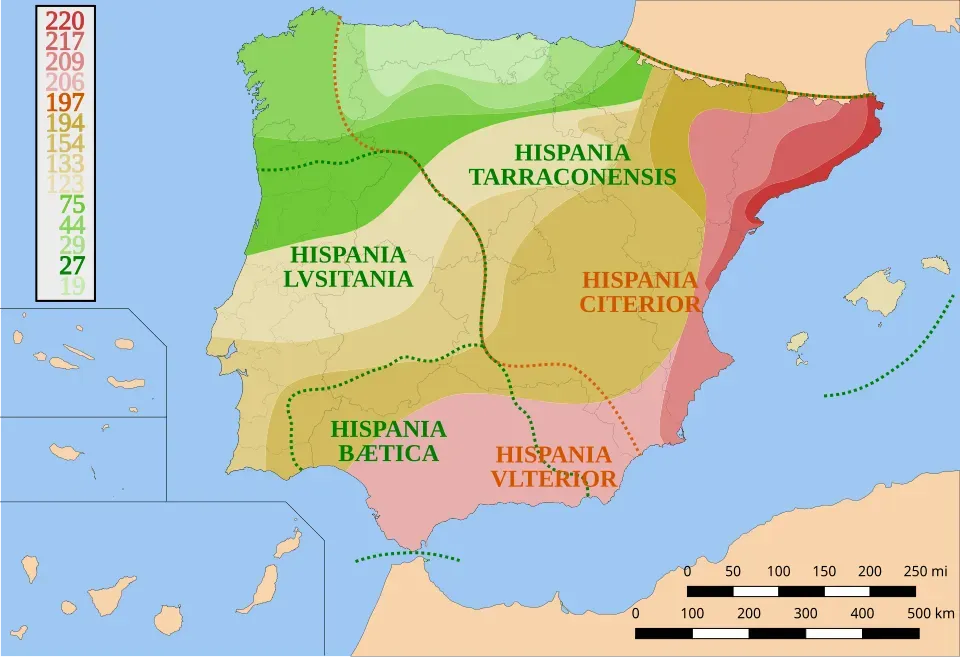
Rome had soldiers in Spain a century before Julius Caesar bothered with France, even though France was right next door. The reason has nothing to do with strategy and everything to do with Hannibal.

Edward Stettinius dropped out of school at sixteen, ground his way through a decade of failed ventures, and eventually ran the Diamond Match Company. Then the Allies hired J.P. Morgan to buy for the First World War, and Morgan hired him.
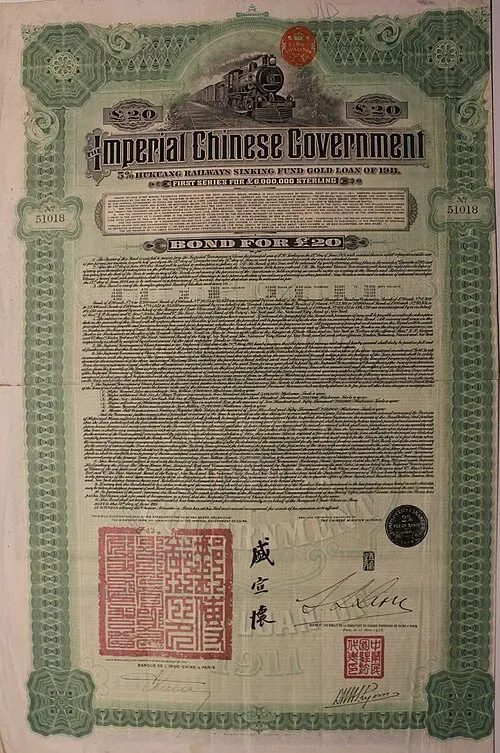
In 1911, a cartel of Western banks lent the dying Qing dynasty £6 million to nationalise China's railways and hand the proceeds to foreign creditors. The protests that followed toppled the empire. The bonds were still worthless in 1983.
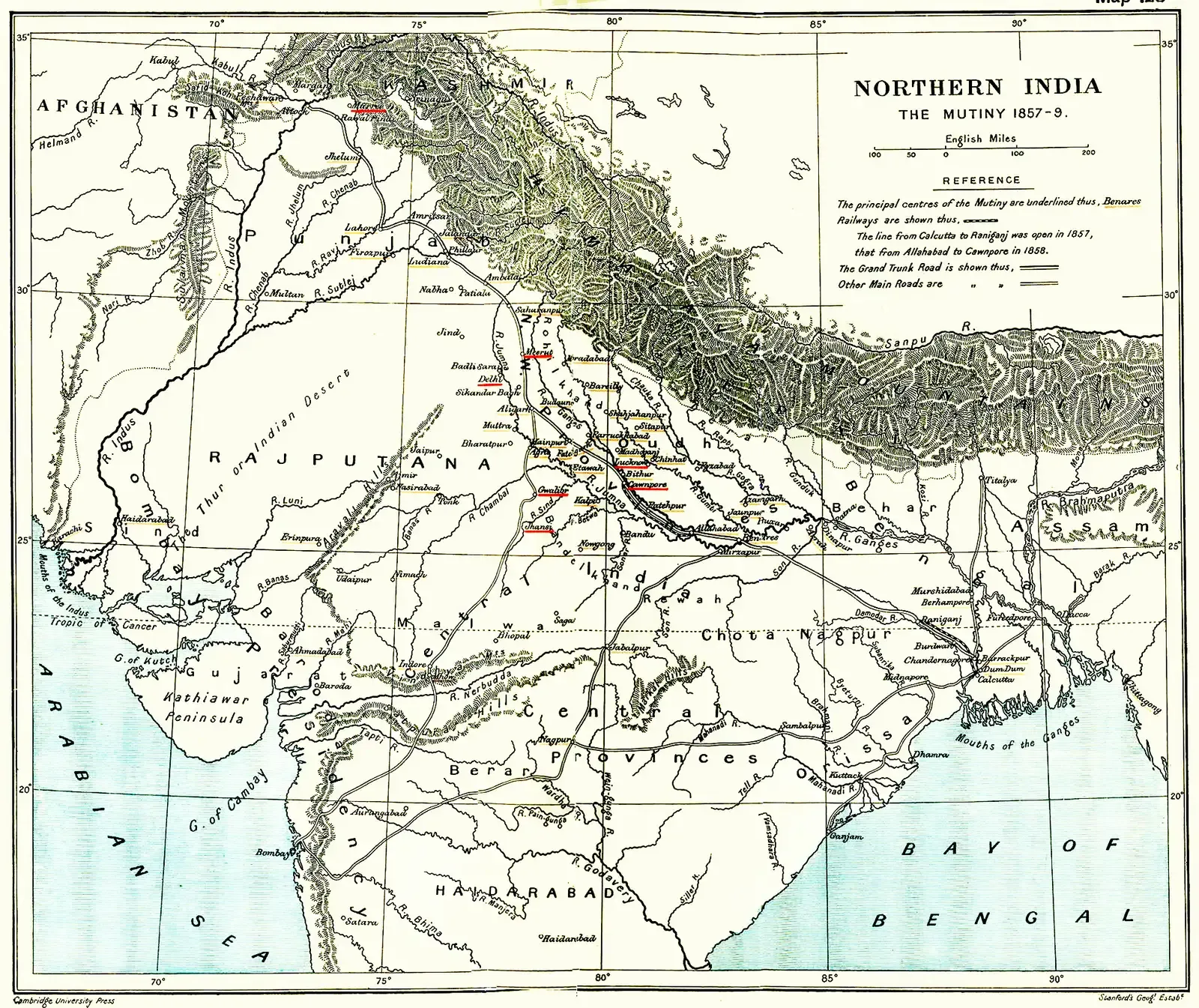
On 29 March 1857, Sepoy Mangal Pandey shot at his officers at Barrackpore and started no rebellion. Six weeks later India was on fire. The uprising that followed ended the East India Company — and handed the subcontinent to the Crown for ninety more years.

In August 1869, Jay Gould attempted to seize the Albany and Susquehanna Railroad the same way he did everything else: through bribed judges, forged shares, hired men, and when those failed, a train full of armed roughs sent toward another train full of armed roughs.