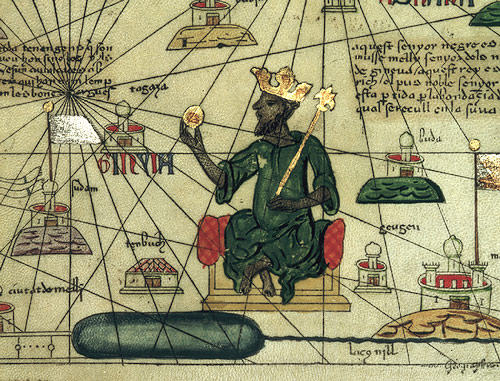
All the King's Gold
In July 1324, Mansa Musa — king of Mali and holder of more gold than anyone had ever seen in one place — arrived in Cairo with 12,000 servants, 80 camel-loads of gold dust, and no apparent intention of leaving with any of it.
6 posts tagged with this keyword.
In July 1324, Mansa Musa — king of Mali and holder of more gold than anyone had ever seen in one place — arrived in Cairo with 12,000 servants, 80 camel-loads of gold dust, and no apparent intention of leaving with any of it.
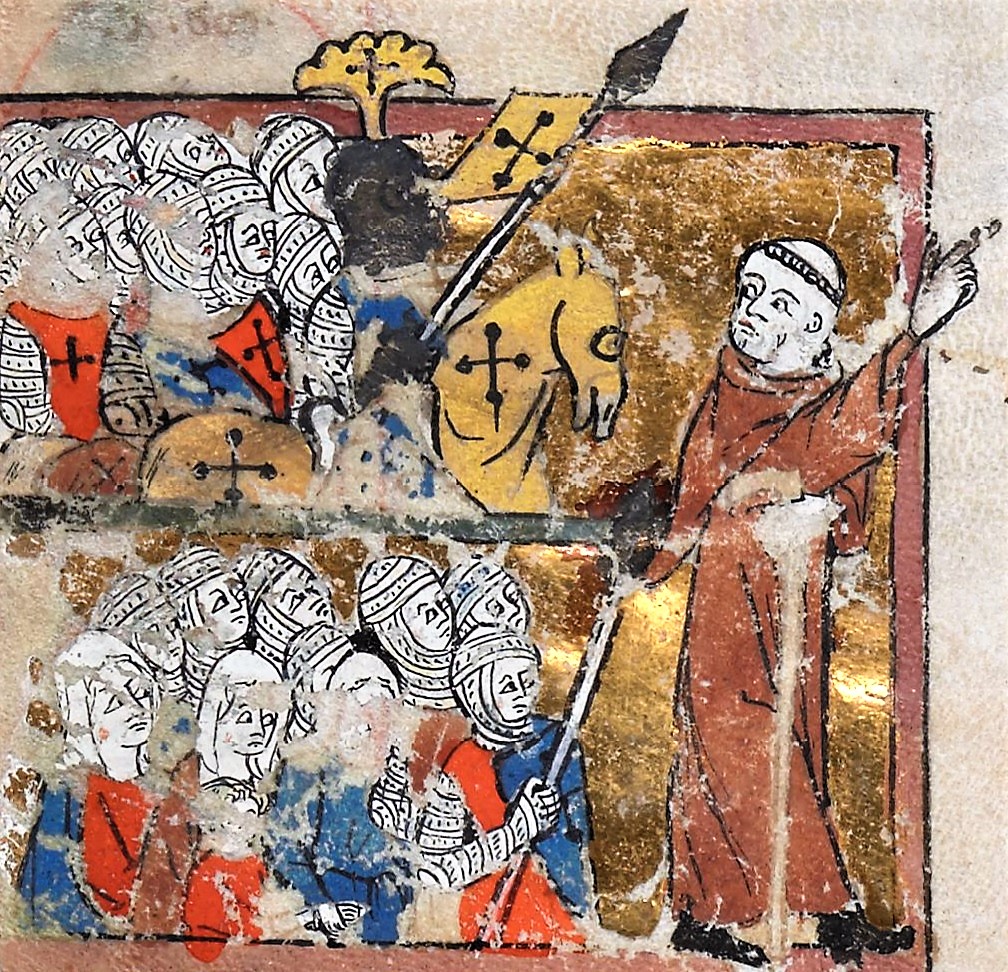
In 1096, a woman set out for Jerusalem from France with a goose from her farm. Peasant crusaders took it as divine guidance. The goose died in northeastern France and never got close to the Holy Land. The people who followed it left a different kind of trail.
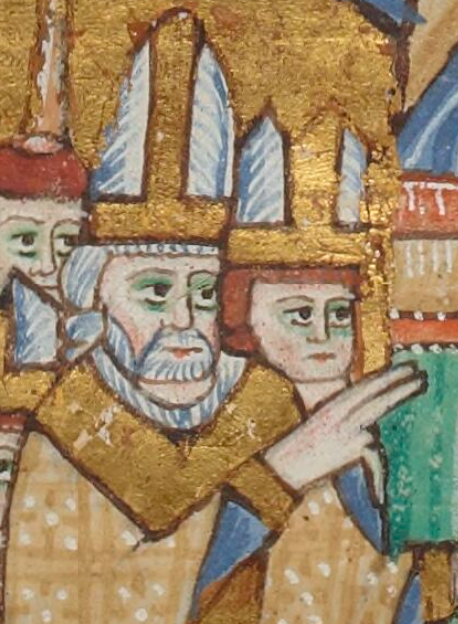
On 12 March 1088, a French monk named Odo was elected pope in a small gathering in Terracina — unable to enter his own city. Seven years later, he launched the First Crusade. He died before he knew it had succeeded.
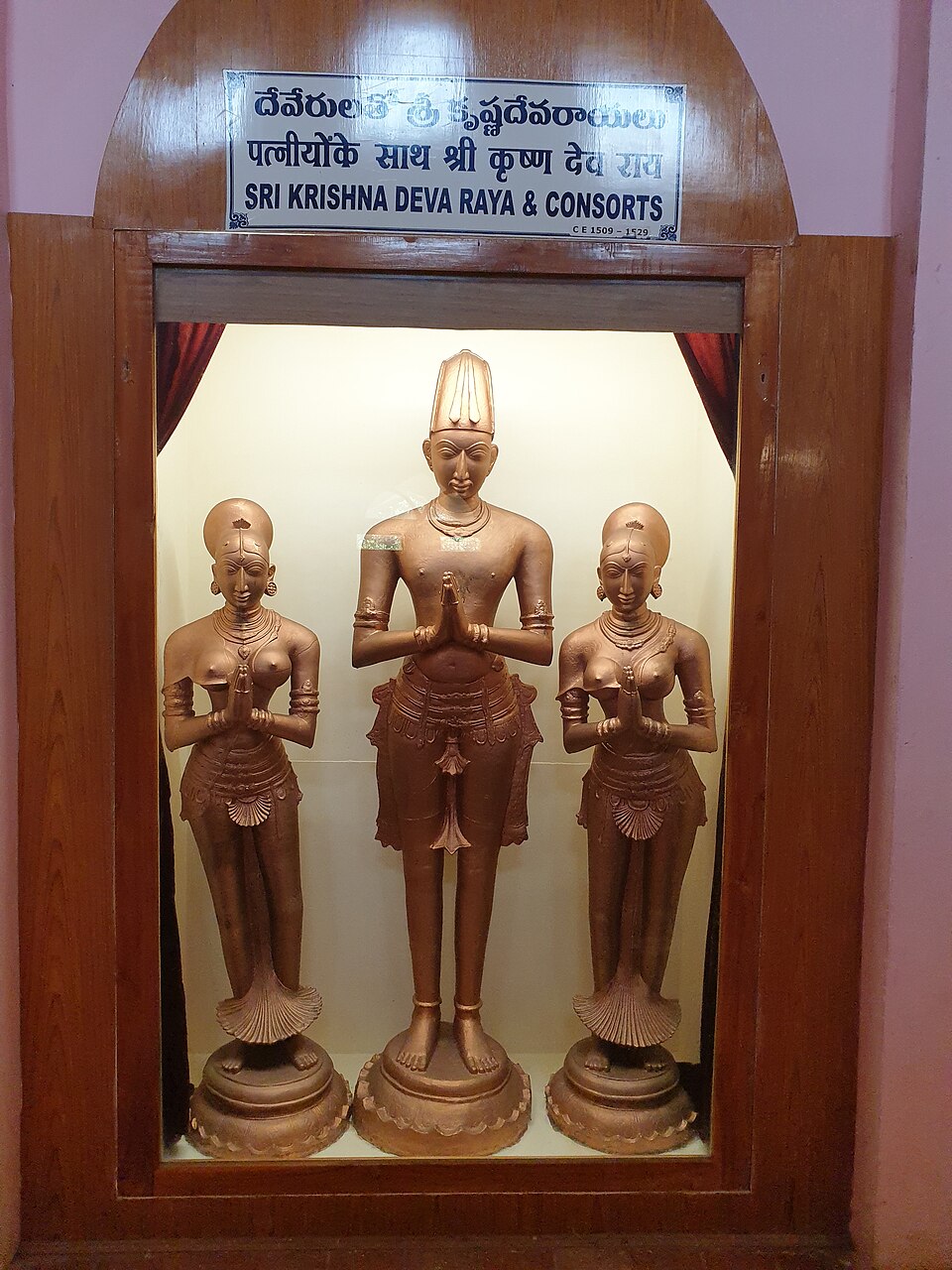
On 16 February 1471, Krishnadevaraya was born. When Babur surveyed every ruler on the Indian subcontinent, he named one man the most powerful. The emperor who deployed 700,000 soldiers at Raichur also wrote devotional poetry in four languages.
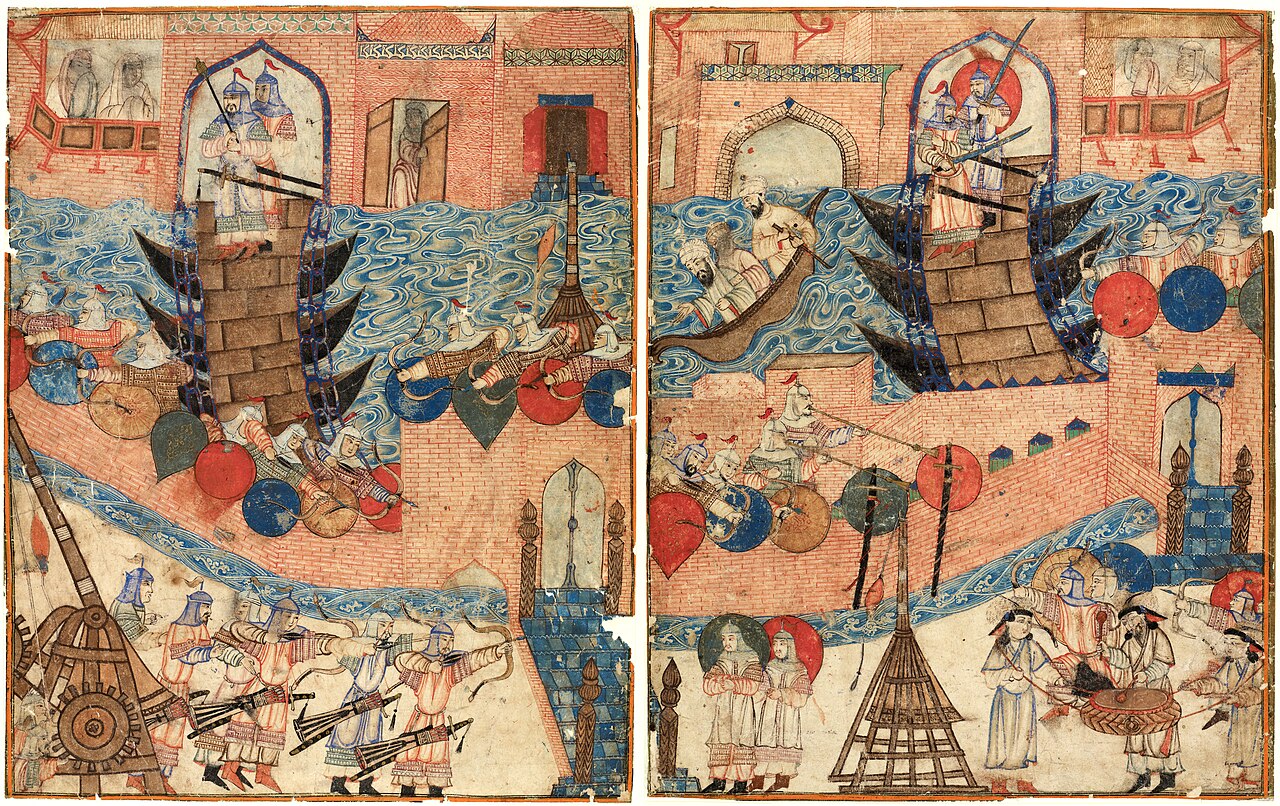
On 13 February 1258, Hulegu Khan ordered the sack of Baghdad. The caliph had called him young and ignorant. What followed was one of the most concentrated episodes of killing and destruction in human history.
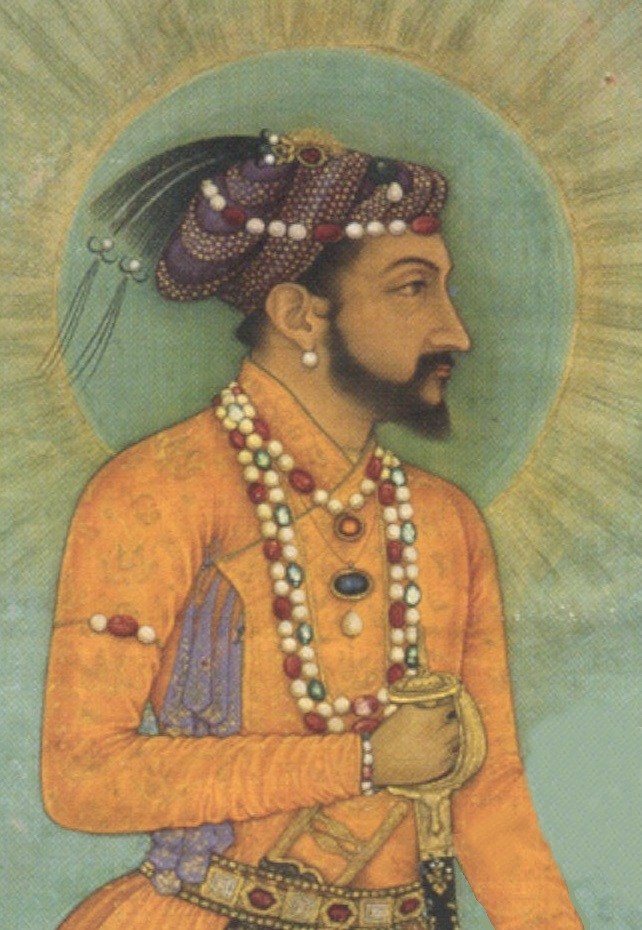
On 5 January 1592, Shah Jahan was born in Lahore. He would build the most recognisable building on earth, preside over a quarter of global GDP, and spend his final eight years imprisoned in a tower with a direct view of the monument he had raised for his dead wife.