Whitney's Bargain
On 14 March 1794, Eli Whitney received a patent for his cotton gin — a crude wooden machine he hoped would reduce slavery. It did the opposite.
61 posts tagged with this keyword.
On 14 March 1794, Eli Whitney received a patent for his cotton gin — a crude wooden machine he hoped would reduce slavery. It did the opposite.
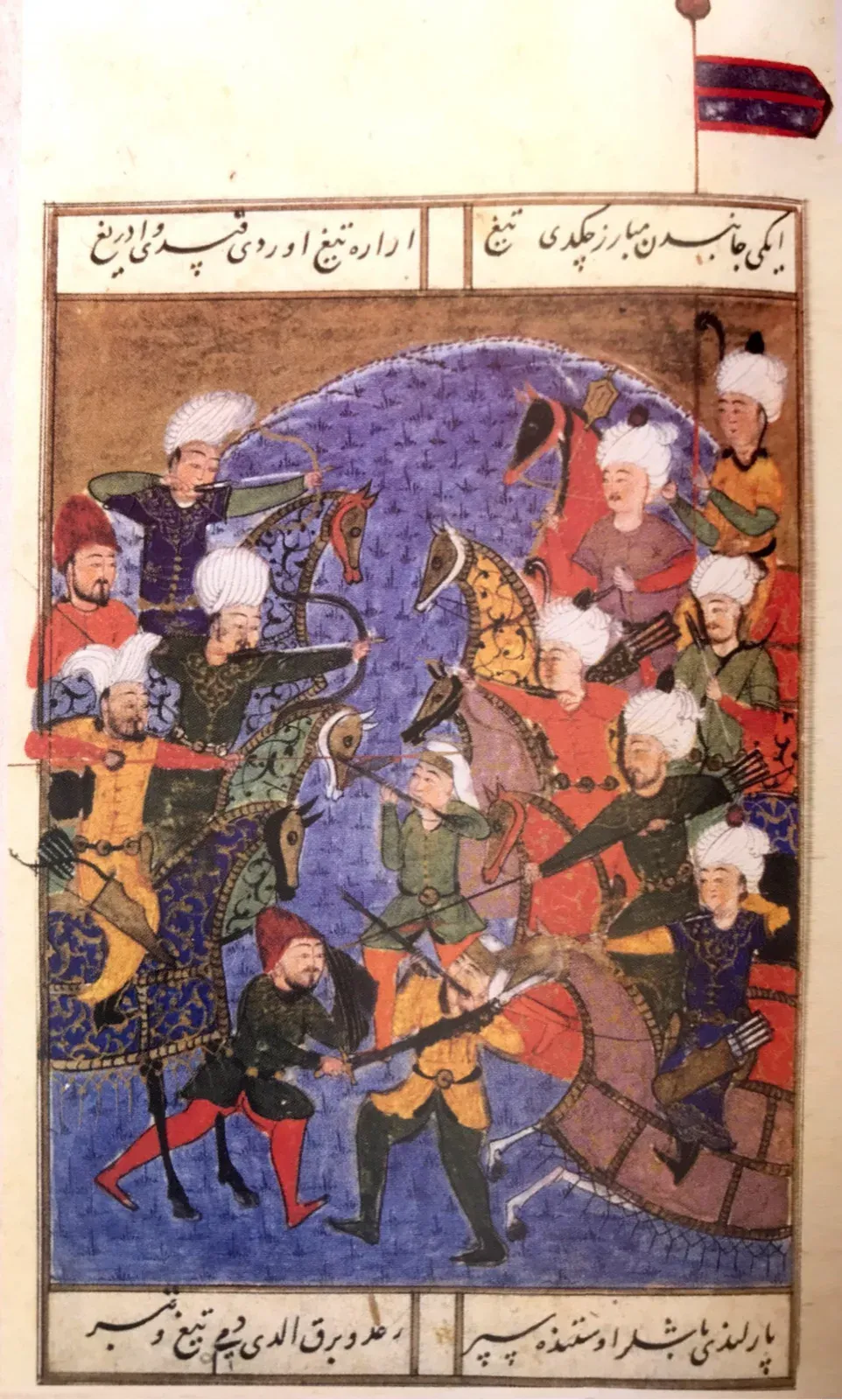
On 13 March 624, Muhammad set out to intercept a merchant caravan. The caravan escaped. An army three times his size came out to meet him instead. He had 313 men, 2 horses, and 70 camels.
On 12 March 1088, a French monk named Odo was elected pope in a small gathering in Terracina — unable to enter his own city. Seven years later, he launched the First Crusade. He died before he knew it had succeeded.
On 10 March 1876, Alexander Graham Bell spoke six words into a device above a Boston theatre and Thomas Watson heard them from another room. The telephone had just worked for the first time.
On 9 March 1776, Adam Smith published The Wealth of Nations — not the final word on economics, but the first coherent one. The discipline has been arguing with it ever since.
On 8 March 1963, a handful of young Ba'athist officers seized Damascus in a coup so bloodless and unremarkable that the population greeted it with indifference. Nobody noticed. That was the problem.
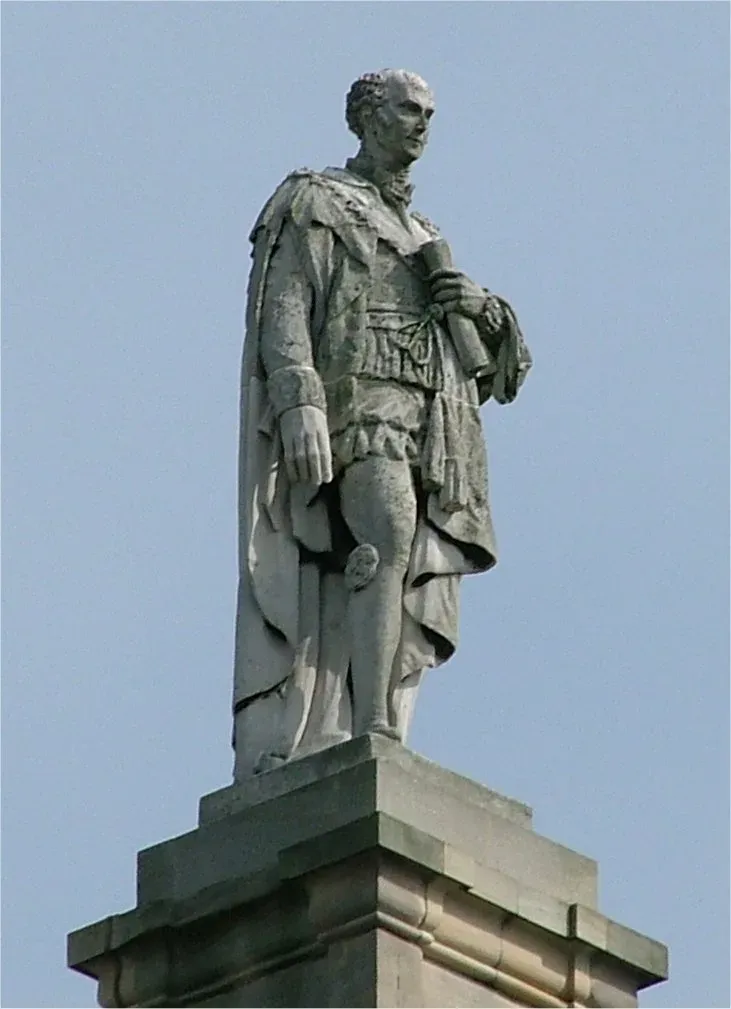
In 1826, a 30-year-old diplomat abducted a 15-year-old heiress with forged letters and a manufactured family crisis, married her at Gretna Green, and nearly got away with it. He served three years in prison. Then helped found New Zealand.
On 6 March 1475, Michelangelo di Lodovico Buonarroti Simoni was born in a small hill town in Tuscany. He went on to produce some of the most reproduced images in the history of Western civilisation, and died still working, at 88.
On 5 March 1953, Joseph Stalin died on the floor of his dacha, where he had lain unattended for the better part of a day. Nobody had dared go in to check.
On 4 March 1918, an Army cook reported sick at Camp Funston, Kansas. By noon, a hundred soldiers had the same symptoms. Within two years, the Spanish flu would kill more people than the war that spread it.