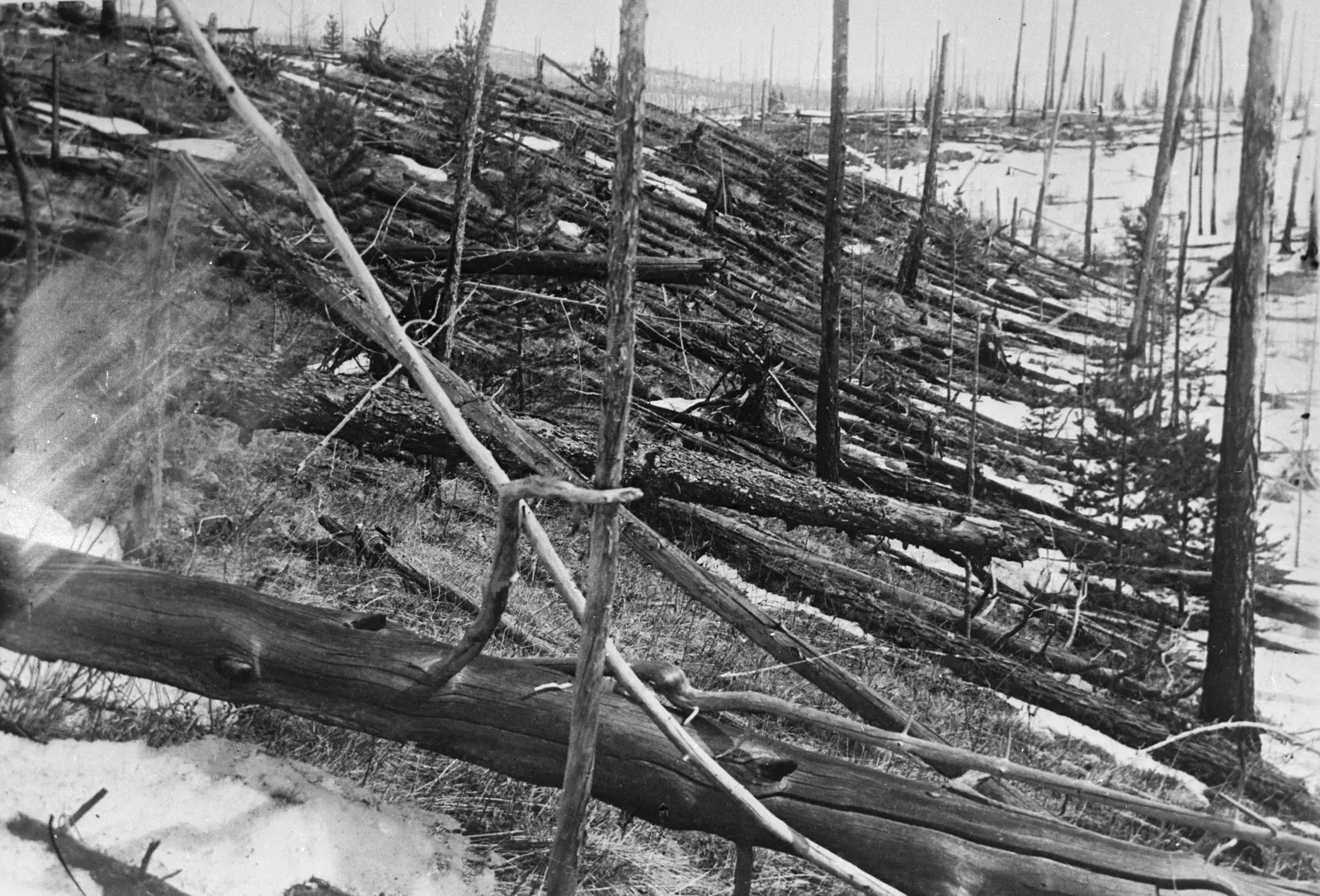
The Sky Split in Two
On 30 June 1908, the largest impact event in recorded history exploded over Eastern Siberia. It flattened 2,150 km² of forest and left no crater. We are still arguing about what it was.
255 posts tagged with this keyword.
On 30 June 1908, the largest impact event in recorded history exploded over Eastern Siberia. It flattened 2,150 km² of forest and left no crater. We are still arguing about what it was.
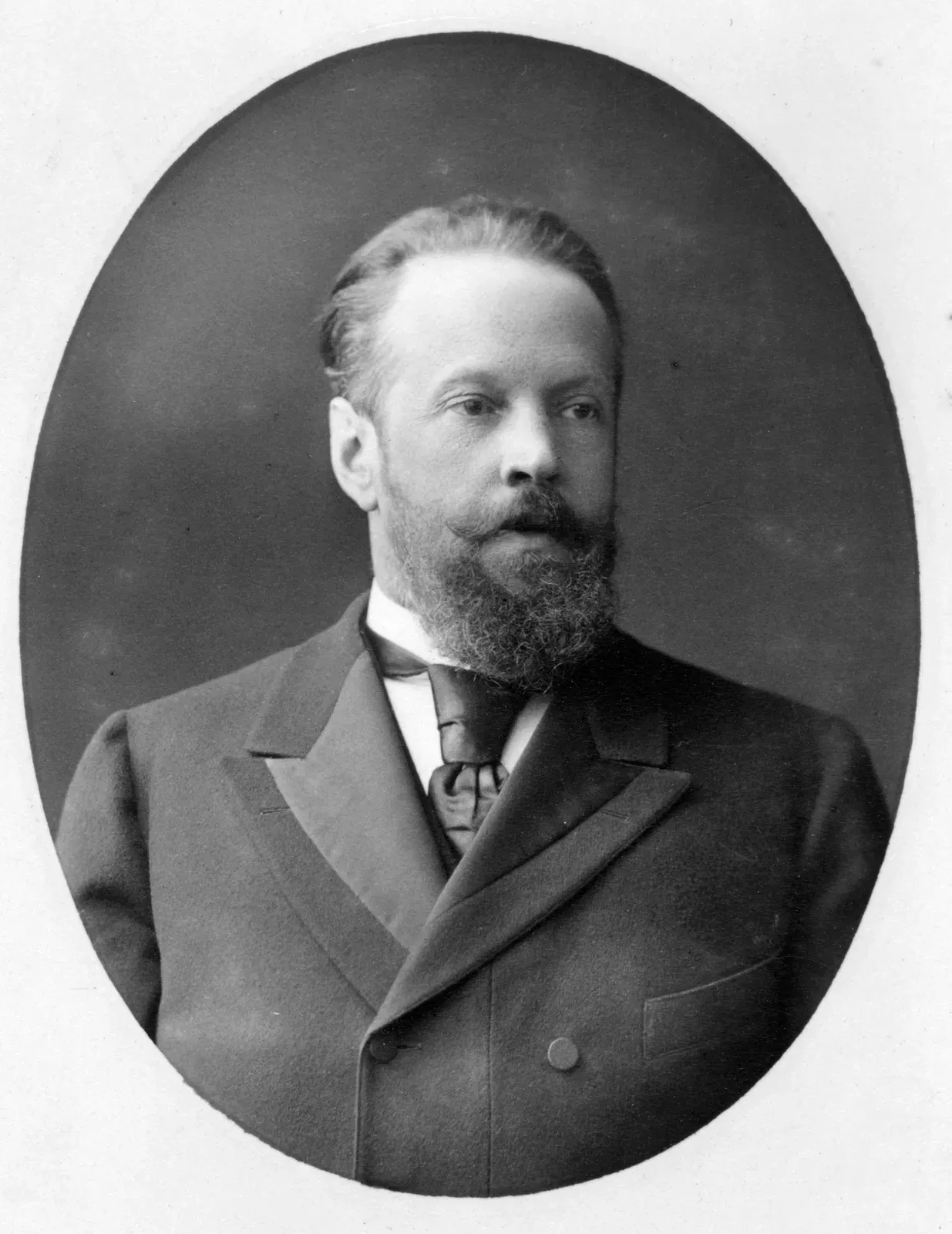
On 29 June 1849, Sergei Witte was born in Tiflis. As Russia's Minister of Finance he industrialised the empire, built the Trans-Siberian Railway, and drafted the October Manifesto that created a constitutional monarchy. Nicholas II fired him six months later.
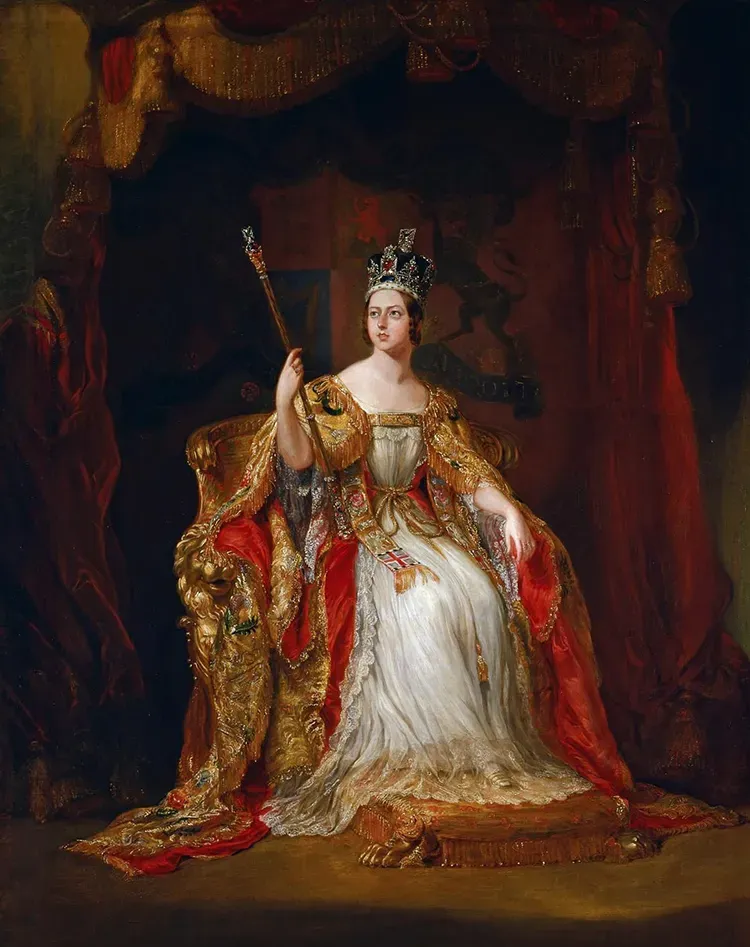
On 28 June 1838, a nineteen-year-old queen was crowned at Westminster Abbey in a ceremony generally agreed to be a shambles. The Archbishop put the ring on the wrong finger. An 82-year-old lord fell down the altar steps. The reign that followed lasted sixty-three years and built an empire.
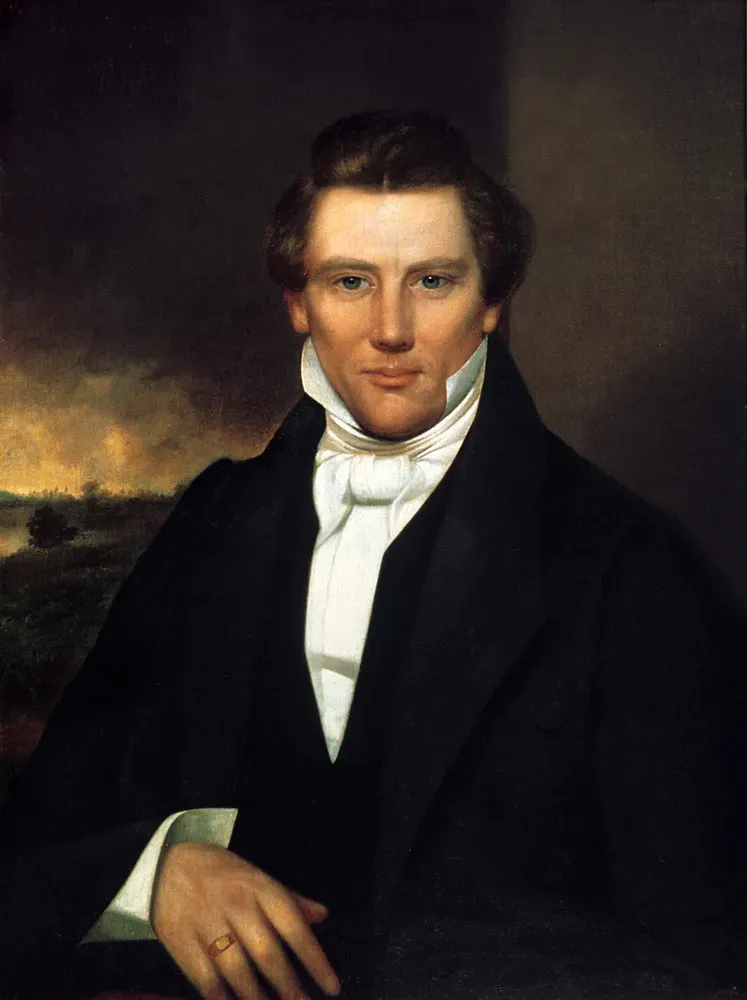
On 27 June 1844, Joseph Smith was shot dead at Carthage Jail while running for President of the United States. The mob that killed him made the same mistake as everyone who has ever underestimated what a martyr story can do for a new religion.
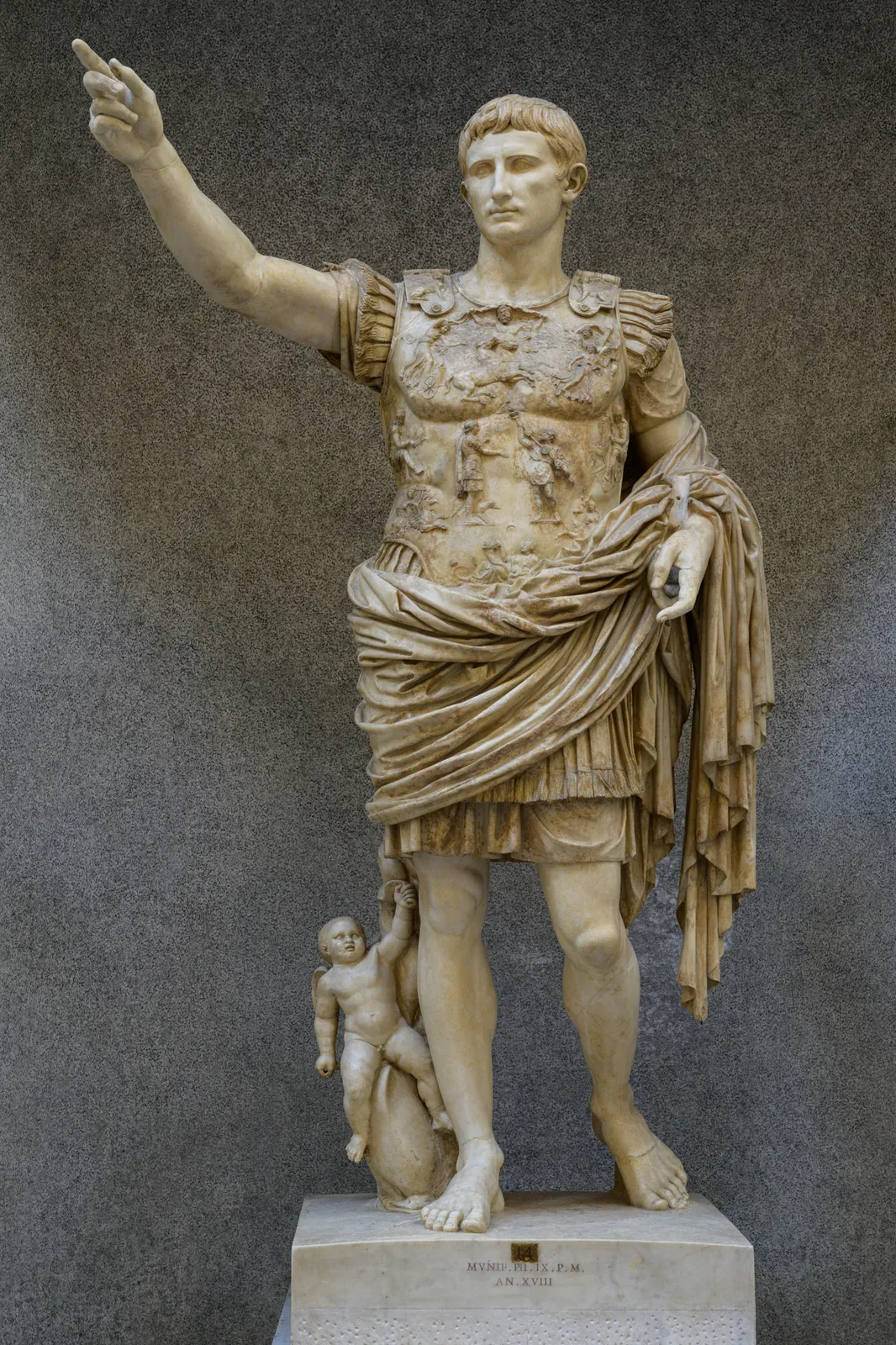
On 26 June AD 4, Augustus formally adopted Tiberius, his wife's forty-five-year-old son from a previous marriage. He had run out of everyone he would have preferred.
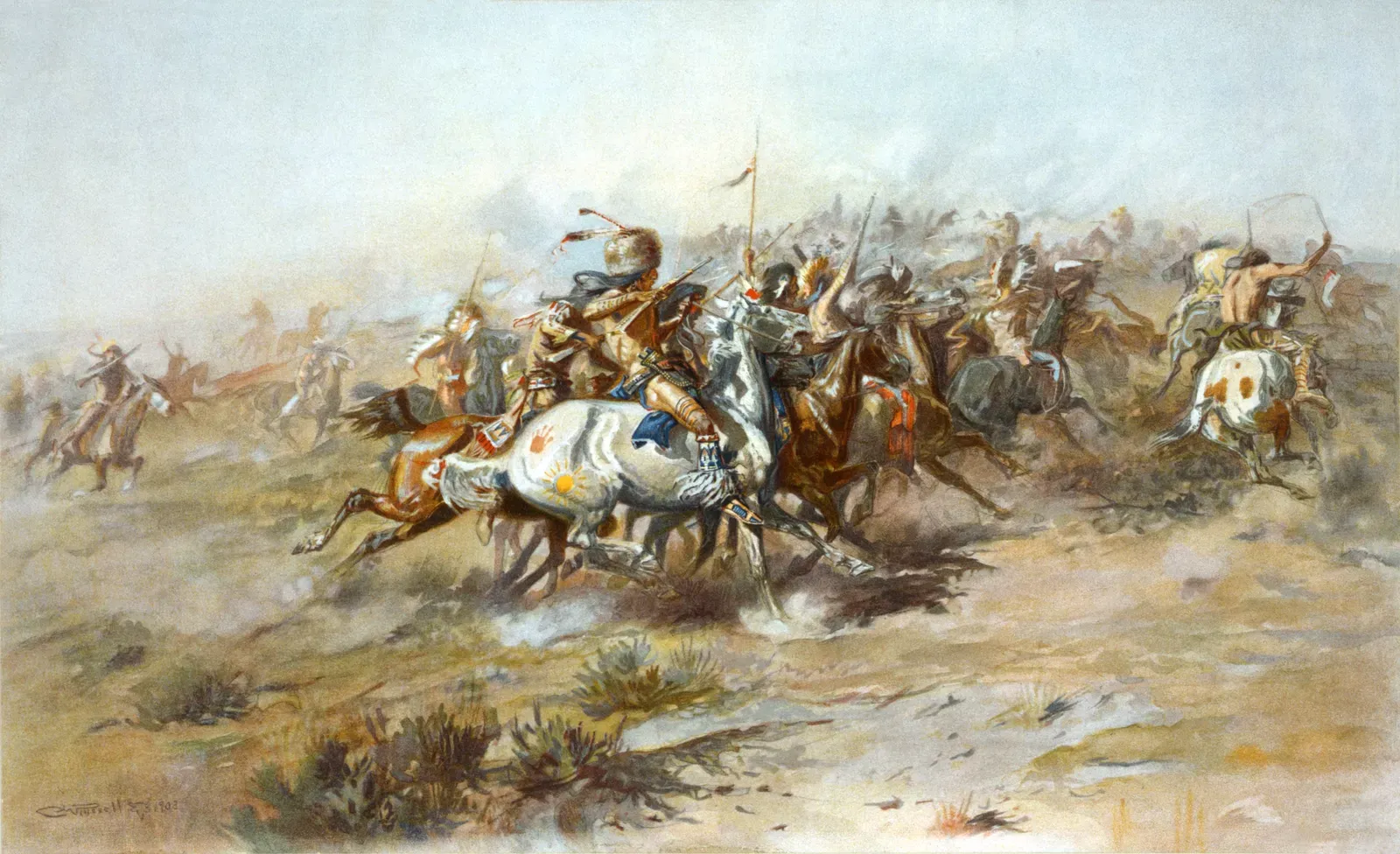
On 25 June 1876, 5,000 Lakota, Cheyenne and Arapaho warriors destroyed Custer's column at the Little Bighorn - the greatest Native American military victory against the U.S. Army. Within a year, it had cost them the Black Hills and their freedom.
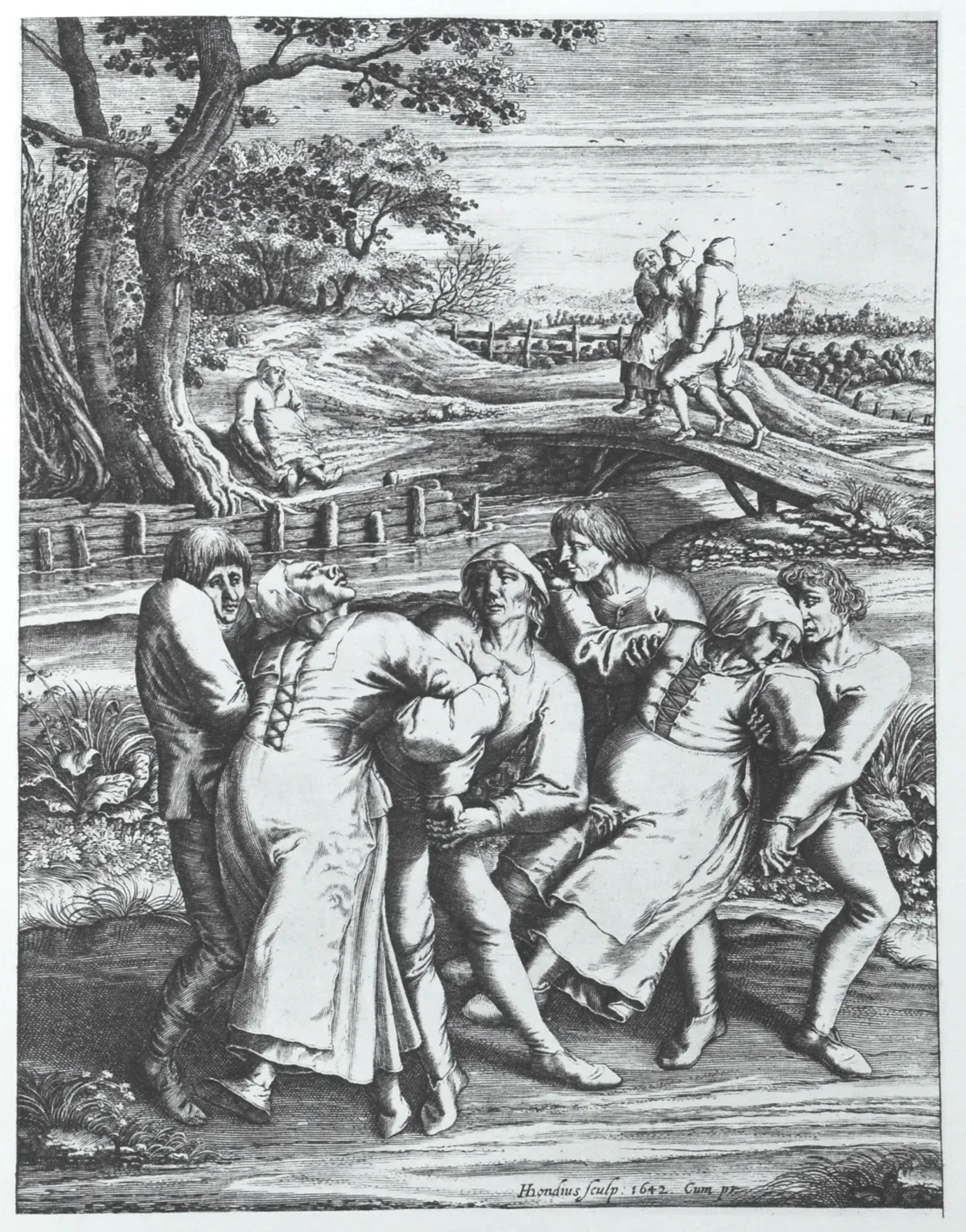
On 24 June 1374, people in the streets of Aachen began dancing uncontrollably and could not stop. The outbreak swept across dozens of European cities within weeks. Twenty-five years after the Black Death, this was what mass psychological collapse looked like.
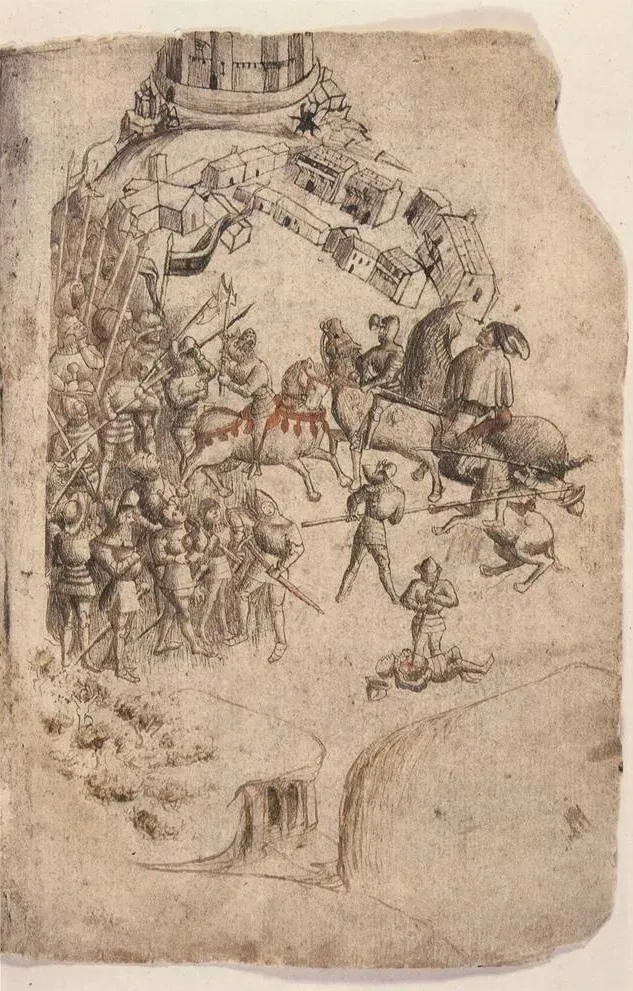
On 23 June 1314, Robert the Bruce held a council of war. His commanders urged retreat. Instead, he advanced his schiltrons into the English cavalry and won the battle everyone said he couldn't. Scotland wasn't free yet, but it was no longer losing.
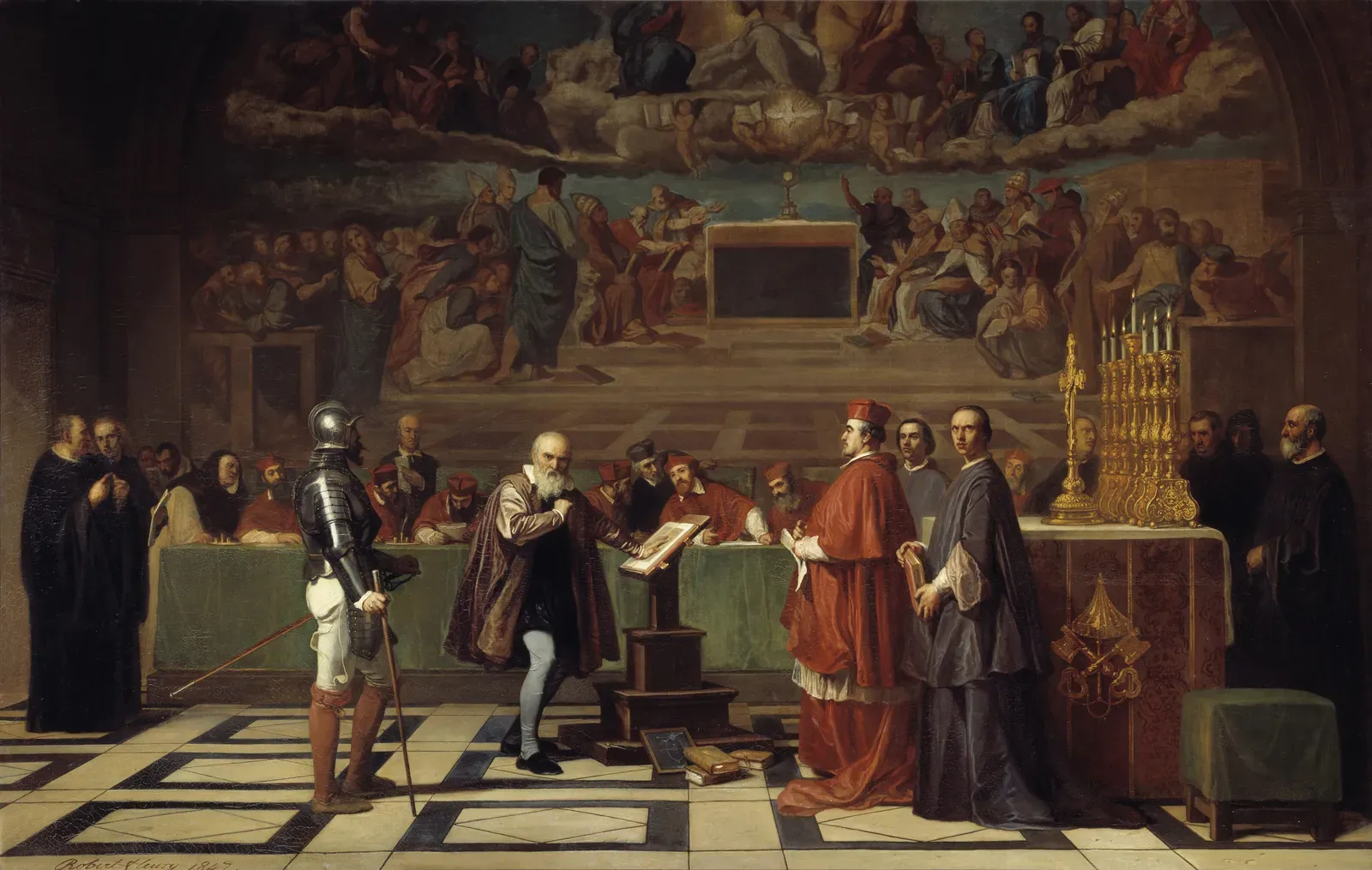
On 22 June 1633, Galileo Galilei knelt before the Holy Office and recanted heliocentrism. The standard science-vs-religion myth is not wrong, but it misses the smaller, more human story: a scientist who could not resist mocking his most powerful protector.
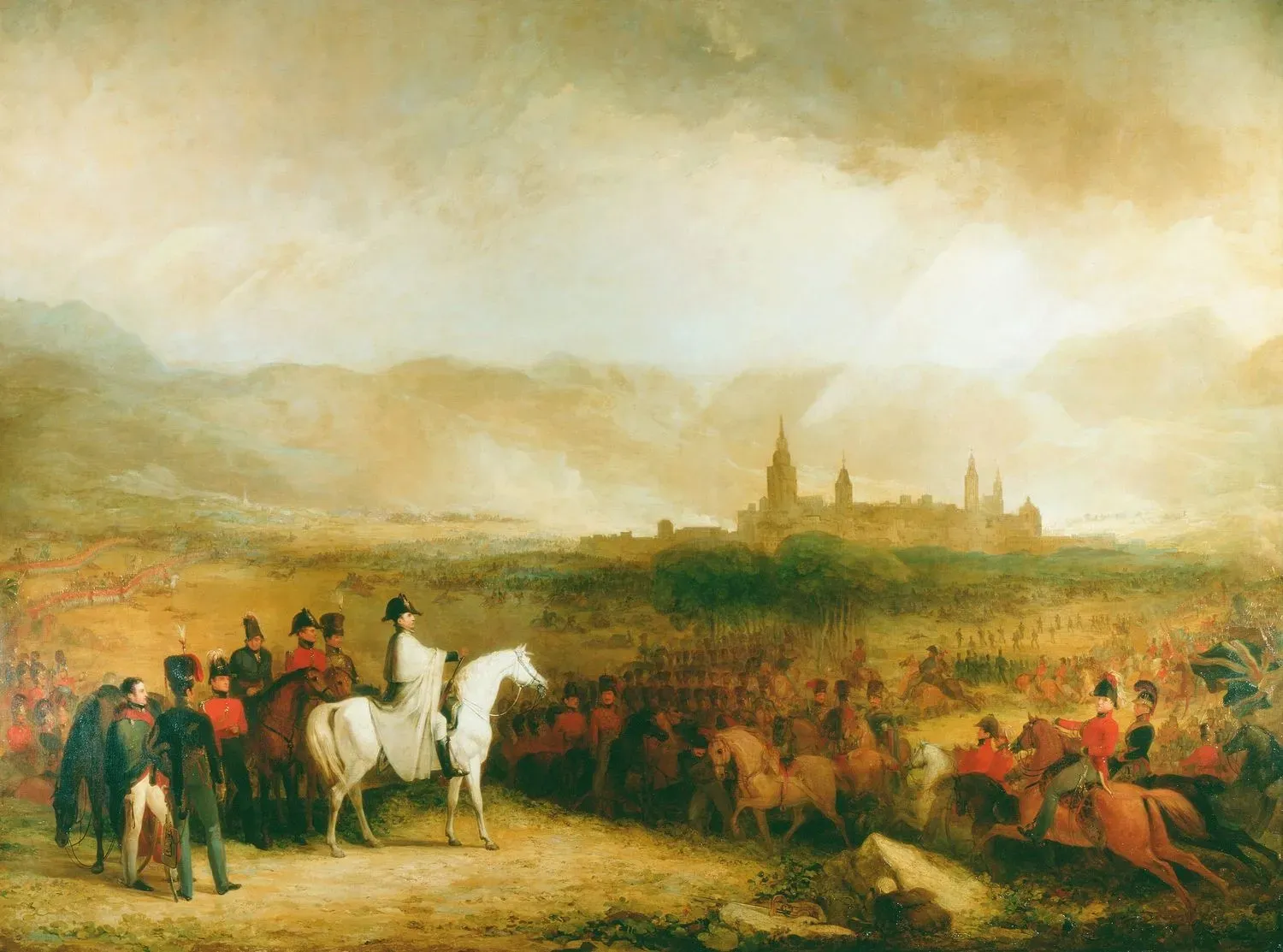
On 21 June 1813, Wellington encircled Joseph Bonaparte near Vitoria and drove the French from Spain in a single afternoon. The road north was covered in abandoned guns, gold, and paintings. A six-year occupation ended in a rout.