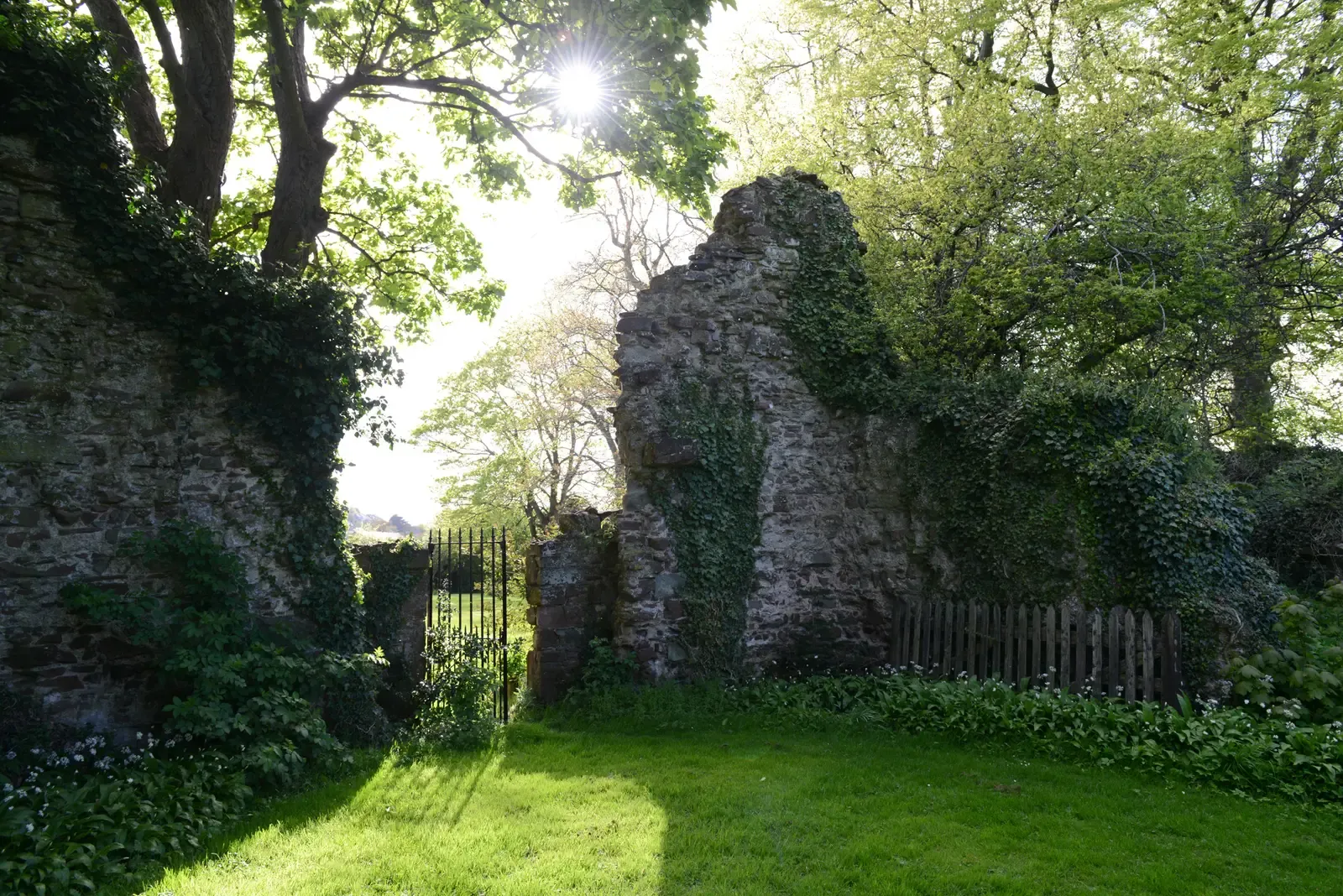
On 1 June 1495, a royal clerk in the service of King James IV of Scotland dipped his quill in ink and made a mundane administrative entry in the Exchequer Rolls. It was a tax ledger, a routine accounting of grain and royal expenditures. Yet this single line of Latin - authorizing “eight bolls of malt” to Friar John Cor to make aqua vitae - serves as the official birth certificate of Scotch whisky. It is the earliest written record of the distillation of the spirit that would go on to conquer the world.
The man at the centre of this transaction, Friar John Cor, was a Tironensian monk based at Lindores Abbey in Fife. Often called the “Grey Monks” due to the colour of their habits, the Tironensians were not cloistered contemplatives shut away from the world. They were practical craftsmen, builders, and alchemists who believed that manual labour and scientific inquiry were forms of worship. The aqua vitae - literally “the water of life” - that Cor distilled in his copper vessels was not intended for cozy evenings by the fireplace. It was a potent, fiery medicine, used to ward off the damp chill of the Scottish lowlands, treat paralysis, preserve youth, and dry up excess humours.
I find the scale of this first recorded order particularly revealing. Eight bolls of malt is roughly half a ton of grain. In modern terms, that is enough barley to produce about fifteen hundred bottles of high-proof spirit. This was no experimental, kitchen-sink hobby. Distillation was already a mature, sophisticated craft at Lindores Abbey, quietly perfected over decades behind monastery walls. King James IV, a true Renaissance prince who was deeply fascinated by alchemy, medicine, and surgery - he famously paid his subjects a few shillings to let him pull their teeth - saw in the monk’s distillate both a scientific marvel and a courtly luxury.
When the Protestant Reformation swept through Scotland in the sixteenth century, dismantling the monasteries and scattering the monks, it unwittingly unleashed the secret of distillation upon the wider public. Dispossessed brothers, carrying their portable copper stills and their knowledge of fermentation, scattered into the Highlands and glens. They turned a monastic secret into a national folk art, utilizing the abundant peat, pure spring water, and barley of the Scottish landscape to refine the harsh spirit into something smoother, richer, and deeply tied to the land.
Today, the liquid that began as a medieval apothecary’s remedy has become a multi-billion-pound global empire. More surprisingly, it has evolved into a highly sophisticated alternative investment asset. Collectors and financial funds now trade rare casks of single malt as if they were blue-chip stocks, with index returns on rare whiskies frequently outperforming gold, fine art, and the traditional stock market over the last decade. There is a profound, dry irony in the fact that a spirit born of monastic poverty is now traded in the sleek boardrooms of London and New York as an inflation hedge.
I look back at Friar John Cor tending his copper still in the damp shadows of Lindores Abbey and wonder what he would make of his legacy. He could not have foreseen the global industry, the peat-smoke obsession, or the speculative investment portfolios. He was simply doing the work of his order, turning the fruits of the earth into a medicine to ease human suffering. For five centuries, whisky has remained a liquid of contradictions - a source of immense joy and profound sorrow, a companion to our highest celebrations and our deepest griefs. We are still drinking to the monk’s health, and to the ledger that saved his work from oblivion.