Three Februaries
A boy tsar in 1613, a revolutionary pamphlet in 1848, a president's flight in 2014 — all on 21 February, all part of the same unfinished argument about Russia.
68 posts tagged with this keyword.
A boy tsar in 1613, a revolutionary pamphlet in 1848, a president's flight in 2014 — all on 21 February, all part of the same unfinished argument about Russia.
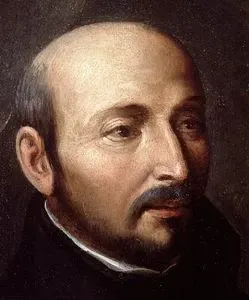
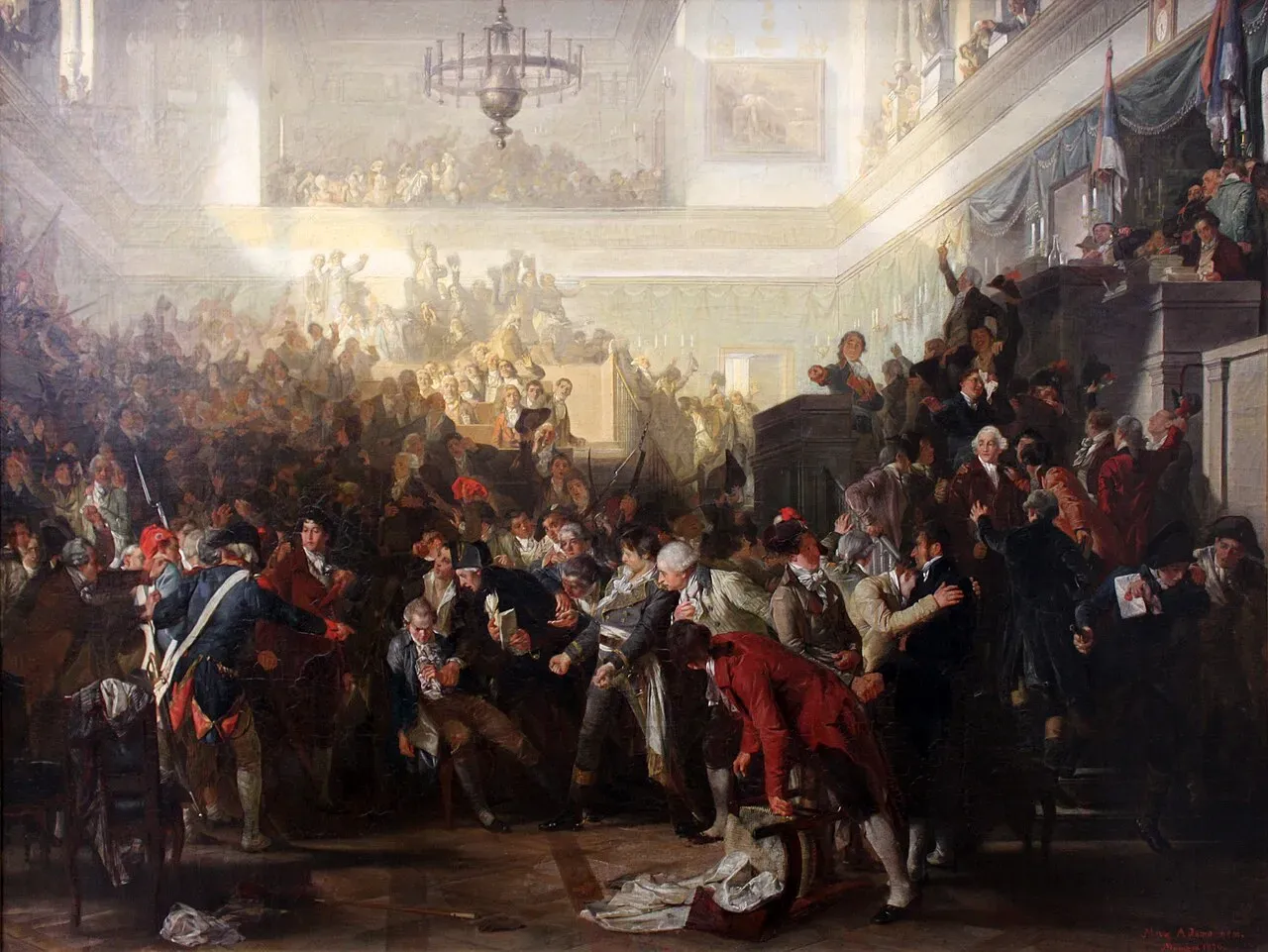
On 20 February 1798, French soldiers escorted Pope Pius VI out of Rome. He had ruled as a temporal sovereign — as every pope had for over a thousand years. None would again.
In 1954, the Soviet Presidium voted to transfer Crimea from Russia to Ukraine. The session lasted minutes. The consequences are still running.
In 1652, Russia's new Patriarch decided the liturgy was wrong. The schism that followed still hasn't healed — and it was never just about religion.
Four hundred and ten years ago today, a Jurchen chieftain proclaimed himself Khan. The dynasty his heirs built solved an ancient problem — and created the conditions for a modern catastrophe.
On 16 February 1471, Krishnadevaraya was born. When Babur surveyed every ruler on the Indian subcontinent, he named one man the most powerful. The emperor who deployed 700,000 soldiers at Raichur also wrote devotional poetry in four languages.
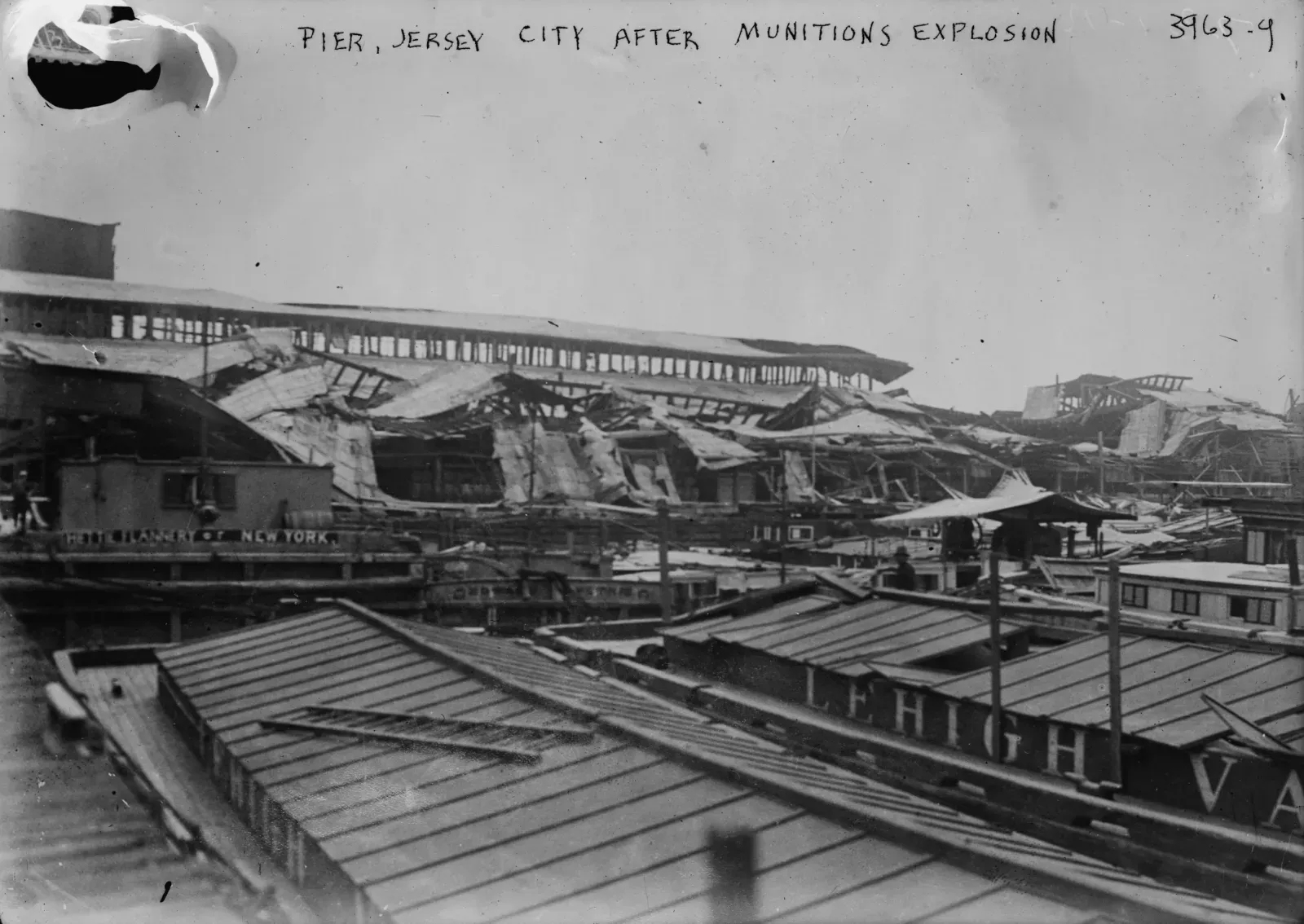
On 15 February 1898, the USS Maine blew apart in Havana harbour, killing 261 men. Nobody ever proved who or what caused it. The newspapers didn't care — they already had the story.
Before it was about roses and chocolate, February 14th marked a stranger event: the day Bolshevik Russia skipped thirteen days to join the modern calendar.
On 13 February 1258, Hulegu Khan ordered the sack of Baghdad. The caliph had called him young and ignorant. What followed was one of the most concentrated episodes of killing and destruction in human history.
On 12 February 1404, an Italian professor named Galeazzo di Santa Sofia opened a human body at a Vienna hospital, with wine poured and a fee charged at the door. It was the first anatomical dissection north of the Alps.