The Harmless Drudge
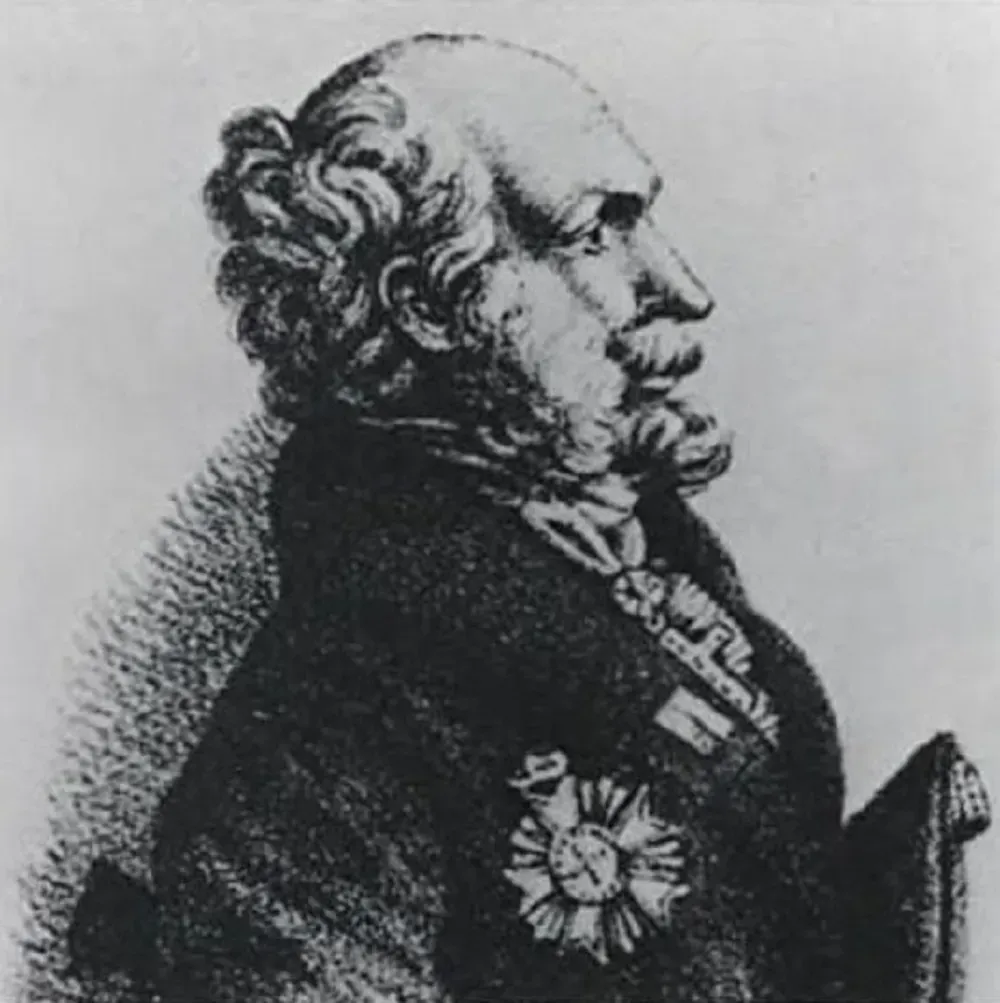
On 15 April 1755, Samuel Johnson published his Dictionary of the English Language — 42,000 words, nine years of work, and one of the more entertaining acts of self-description in literary history.
166 posts tagged with this keyword.
On 15 April 1755, Samuel Johnson published his Dictionary of the English Language — 42,000 words, nine years of work, and one of the more entertaining acts of self-description in literary history.
On 14 April 966, Mieszko I, pagan ruler of the Polans, converted to Christianity following his marriage to Doubravka of Bohemia. The baptism created Poland. What followed would be centuries of glory, tragedy, erasure, and resurrection.
On 13th April 1829, the Roman Catholic Relief Act received royal assent, allowing Catholics to sit in Parliament for the first time since the Penal Laws. It was a genuine victory. The terms on which it was extracted deserve closer inspection.
On 12 April 1204, Crusaders breached the walls of Constantinople. They had set out to free Jerusalem. They ended up sacking the greatest Christian city in the world - and dismantling the one barrier standing between Europe and the Ottoman advance.
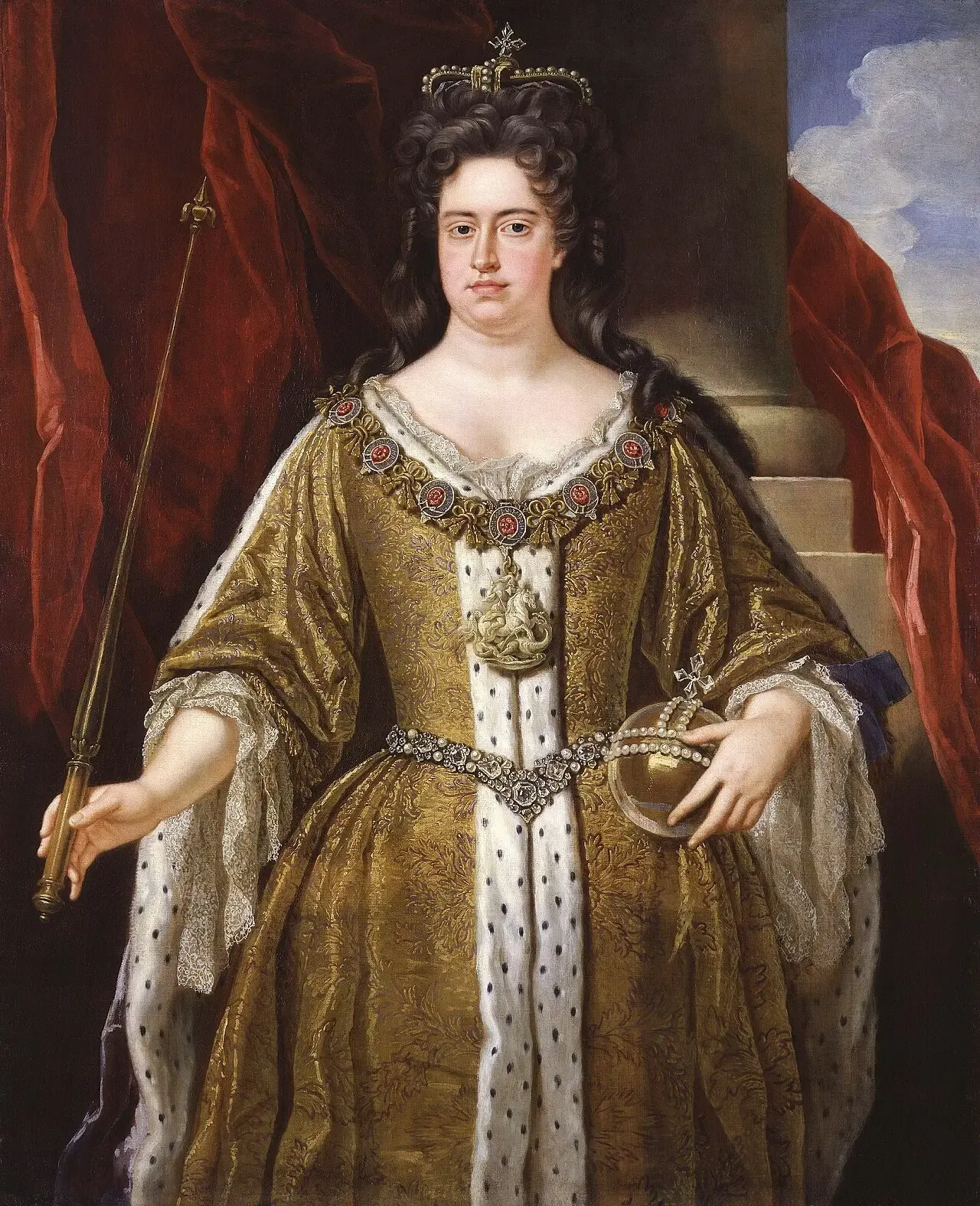
On 11 April 1689, William III and Mary II were crowned as joint sovereigns of Britain. The Glorious Revolution that put them there is one of history's rarest things: a constitutional order that reformed itself without first destroying itself.
On 10 April 1815, Mount Tambora erupted with enough force to be heard in Sumatra. 71,000 people died. The following year, summer failed across three continents. It was the geological equivalent of a warning shot - and we have largely ignored it.
On 9 April 1609, Philip III signed the decree expelling the Moriscos from Spain - the descendants of Muslims whose families had lived on the Iberian peninsula since 711. The Treaty of Granada had promised them peace. It took 117 years to break that promise.
On 8 April 1904, Britain and France signed the Entente Cordiale, ending nearly a millennium of rivalry with a series of colonial bargains. The agreement did not just settle old disputes — it eventually helped ignite a world war.
On 7 April 529, Justinian I published the first instalment of the Corpus Juris Civilis - a codification of Roman law that outlasted the empire, shaped the medieval church, and provided the blueprint for the Napoleonic Code. It is still in use.
On 6 April 1917, the US declared war on Germany. Wilson had been re-elected five months earlier on a promise of neutrality. He won. Then he changed his mind. The 20th century was shaped in that gap.